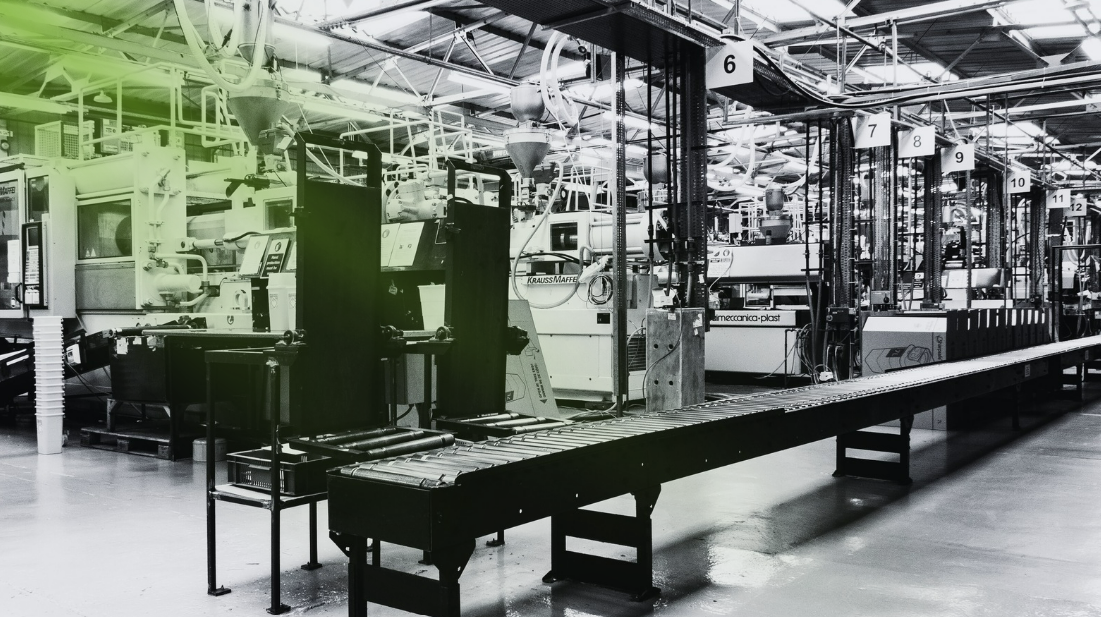
Margins in food and drink manufacturing are decided not in boardrooms but on the factory floor. High-speed lines, stringent hygiene protocols, and exacting retailer requirements create a unique set of pressures that operators must navigate every day. Investments in technology, MES, ERP, and automation can provide data and efficiency, but without effective leadership, these tools rarely deliver sustainable improvement.
Leadership as the Multiplier
The most successful operations are driven by leaders who act as multipliers. They don’t just manage resources, they shape behaviours, set standards, and create clarity across functions. Leaders in high-care environments are constantly balancing four key pressures: maintaining uptime, ensuring changeover efficiency, enforcing hygiene standards, and meeting retailer expectations. Each of these factors alone can influence productivity, but it is the way leaders integrate them that determines whether improvements stick.
In practice, this means that leaders make the invisible visible. They establish routines and cadence that keep teams focused, elevate maintenance and reliability, and ensure that compliance and audit readiness are never compromised. Leadership in these settings is not an abstract concept, it is a daily operational outcome that shows up in measurable ways across production, quality, and supply chain.
Aligning Teams Behind Operational Goals
Strong leadership ensures that planning, production, engineering, quality, and supply chain teams work toward shared objectives. Clear communication of priorities, coupled with structured routines and accountability, allows teams to anticipate issues rather than simply reacting to them. Leaders set expectations around operator responsibility, standard work, and first-line problem solving, ensuring that everyone understands their role in delivering performance.
In high-care facilities, leaders also balance the need for speed with the non-negotiable requirements of hygiene and food safety. Rapid changeovers, for example, can increase output but must be executed without compromising sanitation or allergen protocols. Leaders provide the frameworks, training, and oversight to ensure these objectives are achieved in harmony rather than in conflict.
Making Performance Visible
One of the hallmarks of effective leadership is the ability to make operational performance visible. Teams need clear indicators of what matters, from throughput and yield to quality and downtime. Leaders introduce structures, such as tiered performance reviews, visual dashboards, and cross-functional meetings, that highlight losses, bottlenecks, and trends. By surfacing these issues early, leaders give teams the opportunity to act proactively, reducing the risk of unplanned downtime and waste escalating.
Visibility also creates accountability. When everyone from operators to managers can see the consequences of deviations in performance, routines are followed more consistently, and improvements are sustained over time. Leadership in this sense is less about micromanagement and more about creating the conditions for disciplined, consistent execution.
Leadership in a High-Pressure Context
High-care food and drink environments are defined by external pressures as well as internal complexity. Retailer codes dictate packaging standards, delivery timetables, and product specifications. Regulatory bodies enforce hygiene and allergen controls. Leaders must interpret these external requirements and integrate them into everyday operational decision-making. The ability to balance compliance, performance, and workforce engagement is what separates good leaders from great ones.
For example, when a production line experiences unexpected downtime, a strong leader ensures rapid detection, clear escalation, and decisive action while safeguarding hygiene standards. They know which metrics to prioritise, which teams to mobilise, and how to maintain service levels without cutting corners. In essence, leadership in these environments is the art of managing multiple, often competing, pressures simultaneously and consistently.
The Ripple Effect of Strong Leadership
The influence of capable leadership extends beyond immediate operational outcomes. It shapes culture, builds capability, and fosters resilience. Teams led by effective leaders are better equipped to handle change, adopt new technology, and sustain continuous improvement initiatives. They are more engaged, motivated, and aligned with organisational objectives. Over time, this creates a self-reinforcing cycle: disciplined processes, clear routines, and strong oversight lead to consistent results, which in turn reinforce good habits and behaviours.
In practical terms, leadership affects everything from reducing operator errors and product giveaway to improving audit readiness and supply chain reliability. It is the difference between a factory that occasionally hits targets and one that consistently delivers predictable, high-quality outcomes.
Why Leadership Must Be Recognised as a Strategic Priority
Too often, leadership in manufacturing is treated as a secondary concern behind technology investments or process redesigns. Yet, operational performance does not improve simply because a plant installs a new MES or upgrades automation. Without leaders who understand the complexity of high-care production environments, the best tools will underperform, and gains will be temporary.
Recognising leadership as a strategic priority means evaluating not only technical skills but also the ability to make rapid, high-stakes decisions under pressure, communicate effectively across teams, and enforce discipline without eroding engagement. It also means understanding the broader business impact: improved throughput, reduced waste, higher audit scores, and better customer service all flow from strong leadership.
Preparing for the Challenges Ahead
The food and drink sector continues to evolve. Increasing retailer demands, heightened hygiene expectations, and rapidly advancing manufacturing technologies place additional strain on leaders. Companies that recognise and invest in leadership capability today will be better positioned to respond to these challenges, maintain operational resilience, and capitalise on efficiency opportunities.
Organisations that prioritise leadership development, clarity of roles, visibility of performance, and disciplined execution will outperform those that focus solely on technology or process improvements.
Conclusion
Margins in food and drink manufacturing are determined on the factory floor, and leadership is the force that turns effort into results. Strong leaders make complex operational pressures manageable, align teams behind shared goals, and embed routines that ensure compliance, efficiency, and resilience. By recognising the critical role of leadership today, organisations can set the stage for measurable operational improvements tomorrow.
Leadership isn’t optional, it’s essential. And in high-care food and drink operations, it is the key to turning investment, technology, and processes into consistent, sustainable performance.
If you’re looking to strengthen operational performance through experienced leadership in food and drink manufacturing, book a consultation today and start building the leadership your business needs to thrive. Get in touch now.